- Email: vienkinhte.ide@gmail.com
- Tel: 0968.503.700

Bottom-Up vs Top-Down Budgeting Approaches (30/09/2024)

Of course, you need to keep proposals realistic, and you’ll either approve them or request adjustments. InnoVyne Technologies is a software consultancy that plans, develops, and delivers strategic support for your integrated performance management. Our specialists can train your in-house team to operate software for your sales performance management and financial planning needs.
- To better understand when and how to apply top down budgeting, let’s weigh its key benefits and potential drawbacks.
- Scenario planning outlines steps to manage risks, reallocate resources, or adjust budget priorities as needed.
- Many organizations adopt Hybrid Planning, or the Countercurrent Model, combining the best of both worlds.
- This approach is often used in strategic decision-making or during the early stages of a project when there isn’t enough detailed information to apply bottom-up costing.
- This review process checks for consistency and coherence across departmental budgets, ensuring that they support the company’s strategic objectives.
- Once the department budget has been completed, managers return it to the finance/accounting department, where it is reviewed and approved.
Frequently asked questions about top-down vs bottom-up budgeting
On the other hand, bottom-up budgeting may not always align with strategic goals, as individual departments may prioritize their own needs over the overall objectives of the organization. This can result in budget allocations that do not fully support the company’s strategic direction. Top-down budgeting, on the other hand, is a method where senior management sets the overall budget for the organization, which is then allocated to individual departments or units. This approach is often more efficient and faster than bottom-up budgeting, as decisions are made at a higher level and cascaded down to lower levels of the organization. Bottom-up budgeting is a method where individual departments or units within an organization create their own budgets, which are then consolidated to form the overall budget for the company. This approach allows for greater input and involvement from employees at all levels of the organization, as they are responsible for estimating their own expenses and revenue projections.
Top-down vs. bottom-up budgeting process: Advantages and disadvantages
Let’s calculate the expected annual revenue of Spaceland Hotel using top-down budgeting. Your choice will greatly depend on your company’s type, how it trial balance operates, and your financial goals. However, this section will provide you with everything you need to get started. By leveraging a business expense tracker app like ExpenseIn, you’re equipping yourself with the resources to drive your business forward, one budget at a time.
- Resource allocation is important because it helps departments achieve their missions within available funds.
- It’s the easiest way to reduce potential coordination errors and administrative overhead.
- ProjectManager isn’t only software but a site in an online hub for everything project management.
- This approach was familiar, but it removed opportunities for exploration and advanced strategy that would have been possible with a more detailed approach to budgeting.
- The new top-down budget would account for this by allocating enough budget to cover a similar amount of costs.
- In contrast, bottom-up budgeting may take longer to complete, as it involves more input and collaboration from employees at all levels of the organization.
Strategic alignment
It’s their job to reconcile the differences and enforce budget coherence throughout the organisation. One of the biggest challenges of the bottom-up method is that it requires considerable time and coordination effort. It is administratively challenging to collect, review and consolidate the multiple submissions from the different departments. Administrative simplicity means having one comprehensive budget prepared by the management.

For all the decisions you need to make.

The difference matters more for retail brands than for software companies because you’re managing physical inventory, multiple sales channels, and thousands of SKUs. Top-down gives you speed and strategic alignment but risks missing operational constraints like Retained Earnings on Balance Sheet lead times and minimum order quantities. Bottom-up delivers accuracy and team buy-in but takes longer and can lose sight of growth targets. Most high-growth brands end up using a hybrid approach where leadership sets direction and teams validate what’s actually possible. No matter which method you choose, there are some tips to help you create and manage your project budget effectively.
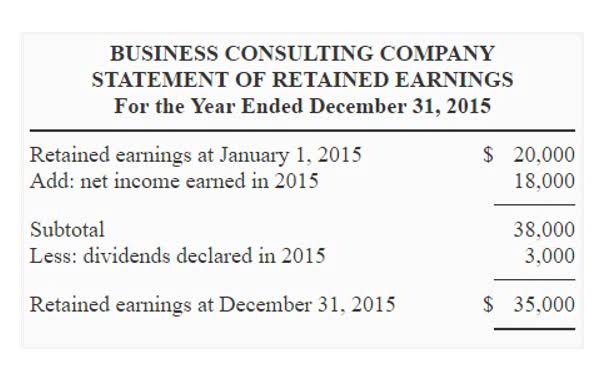
The Process of creating a top-down budget
Consider the pros and cons listed above as you approach your budgeting methods. A unified platform like CandorIQ can significantly improve your budgeting process by enhancing accuracy, efficiency, and alignment across departments. By keeping top-down vs bottom-up budgeting everyone informed, from top management to department heads, you ensure that everyone understands their role in meeting financial goals and can make adjustments as needed.

- In a bottom-up approach, while departments may focus on specifics, it’s essential to ensure that their budgets collectively support the broader objectives.
- Some companies might begin with an Excel spreadsheet and create a budget without a lot of involvement from the other parts of the organization.
- Top-down budgeting provides centralized control over budget allocations.
- This can help identify unnecessary spending, but it also requires much more time and effort.
- This method allows for quick decision-making and ensures strategic alignment across the organization.
- Regardless of the budgeting approach your organization adopts, it requires big data to ensure accuracy, timely execution, and of course, monitoring.
- This includes planned initiatives, ongoing programs, and anticipated staffing needs.
Though you must choose top-down or bottom-up, it doesn’t mean you have no room to innovate. If your company can benefit from both budgetary processes, it’s possible to create a hybrid system that suits your organization. With top-down budgeting, floor-level employees have no say in what resources they need to complete their tasks. In contrast, bottom-up budgeting gives more freedom and responsibilities to lower management. That’s because, in a top-down budgeting structure, only a fraction of the company sets the budget. They look at company spending from a broad perspective, so it’s difficult to determine individual needs.
Bài viết liên quan:

Đối tác & khách hàng



Copyright © 2019 vienide.com. All right reserved.